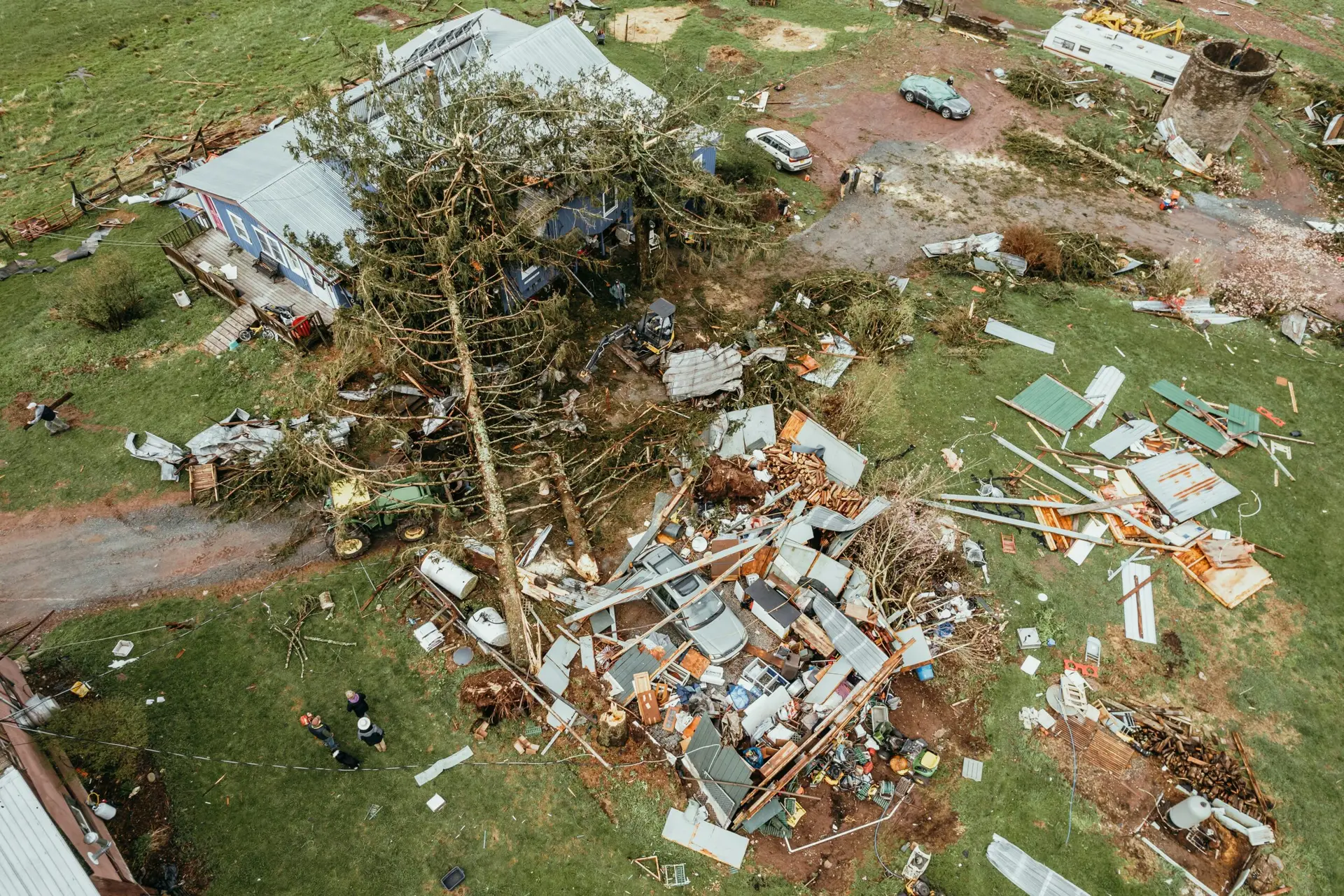
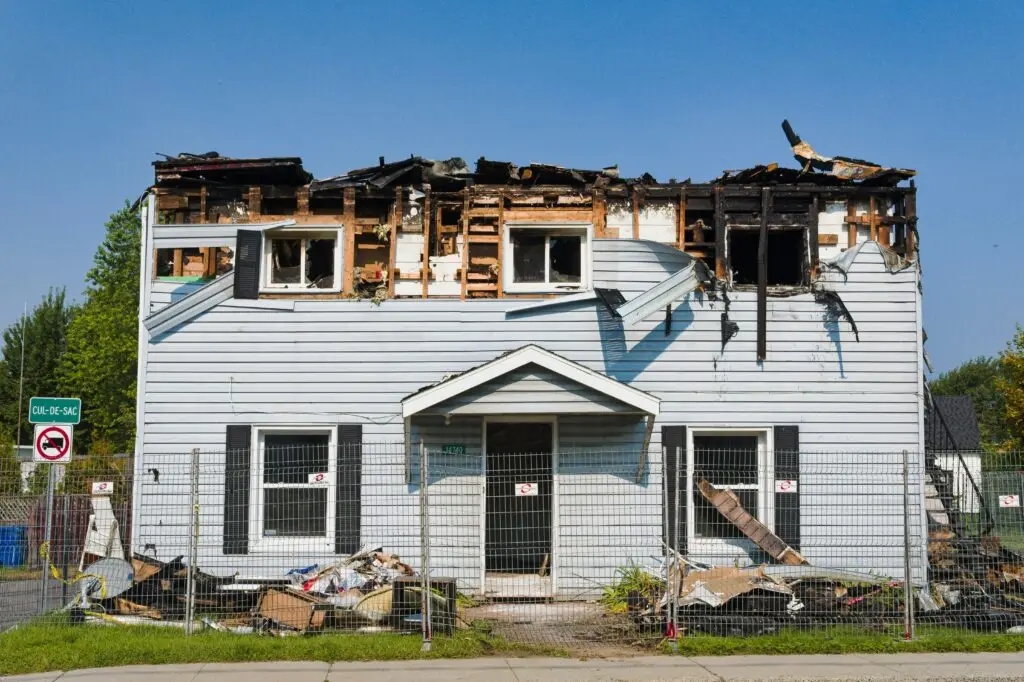
When disaster strikes your home, the experience can be devastating. In a matter of moments, the place that felt safe and familiar can turn into a scene of chaos and uncertainty. It’s normal to feel overwhelmed, anxious, and unsure of what to do next.
The truth is, recovery doesn’t happen all at once. It starts with small, deliberate steps that protect your safety, your property, and your peace of mind. This guide is here to help you navigate those first critical decisions with clarity and confidence. From documenting damage and contacting your insurance company to safeguarding your belongings and finding professional help, we’ll walk you through what matters most so you can focus on rebuilding, not just your home, but your sense of security.
Ensure Safety First
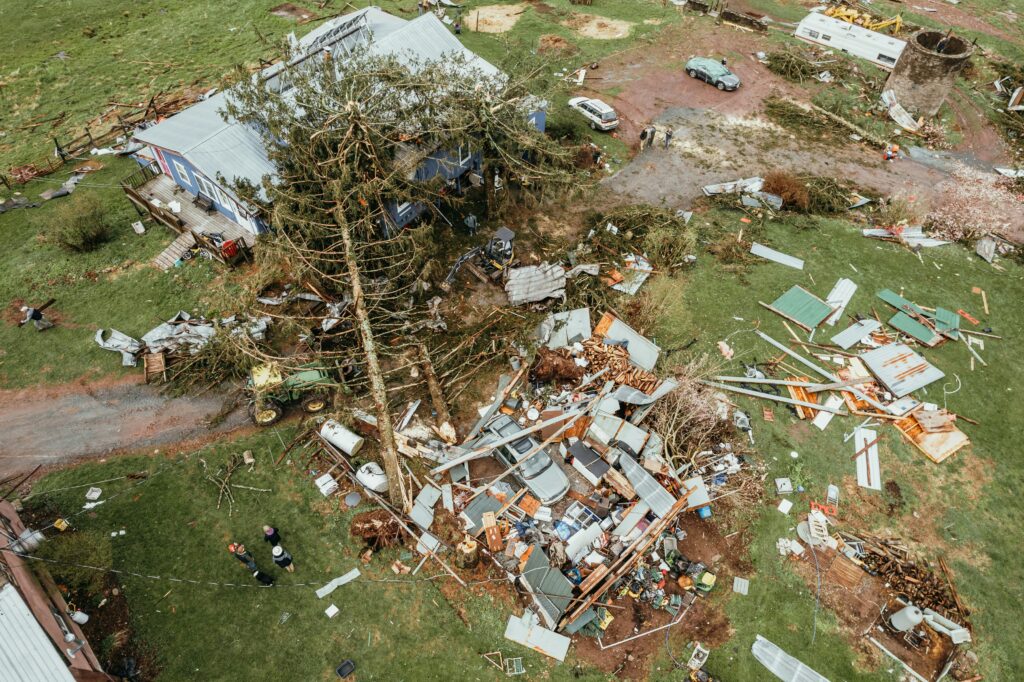
Before anything else, your priority is protecting yourself and your family. Disasters often leave behind hidden dangers that can cause serious harm if overlooked.
- Check for immediate hazards:
- Gas leaks: If you smell gas or hear hissing, leave immediately and call your utility company.
- Electrical risks: Avoid standing water near outlets or appliances. Shut off power at the main breaker if safe to do so.
- Structural damage: Look for sagging ceilings, cracked walls, or leaning walls that could collapse.
- Wait for official clearance: Do not enter your home until local authorities confirm it’s safe. Structural instability, gas leaks, and electrical hazards are common after fires, floods, and storms.
- Wear protective gear: Gloves, sturdy boots, and masks can protect you from sharp debris, mold spores, and contaminants.
- Avoid contaminated water: Floodwater often contains sewage, chemicals, and bacteria. Do not use tap water until authorities confirm it’s safe.
- Keep children and pets away: Damaged homes are unsafe for curious little ones and animals.
Tip: If you’re unsure about safety, call a licensed inspector or emergency services before entering. Your health and life are worth more than any belongings. Content Recovery Specialists are available to contact 24/7/365 for emergencies consultations and assistance.
Document All Damages
Once it’s safe to enter your home, resist the urge to start cleaning or throwing things away. Your first job is to create a clear record of what happened. Think of this as building your case for insurance and recovery—it will save you time, money, and stress later.
Start by walking through each room slowly, camera in hand. Take wide shots to show the overall condition, then close-ups of individual items. Don’t worry about making it perfect; the goal is to capture everything as it is right now. If you can, record short videos as you move through the space—this helps insurers understand the full scope of damage.
Take wide shots to show the overall condition, then close-ups of individual items. Don’t worry about making it perfect; the goal is to capture everything as it is right now.
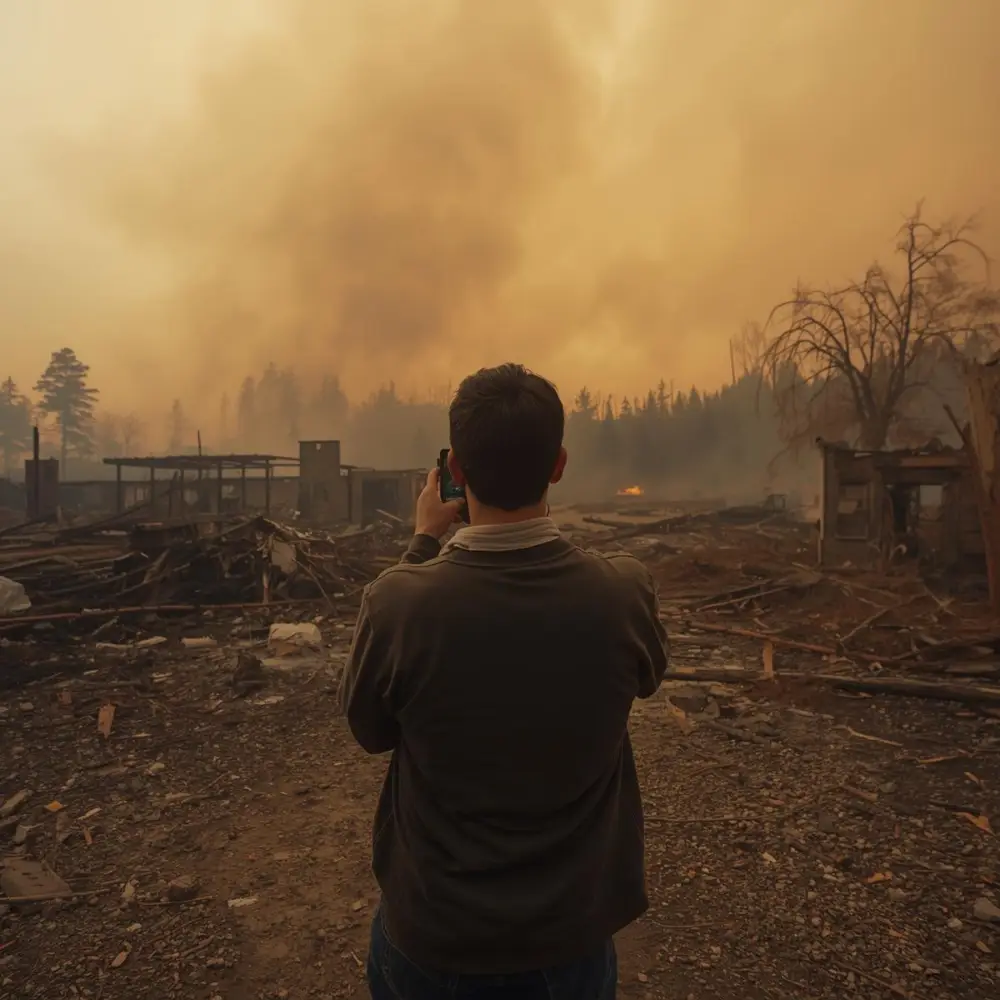
Next, create an inventory. Write down every damaged item, even if it seems small. Include details like brand, model, and approximate value. If you have receipts or old photos, gather them in one folder. For items that are beyond repair, keep them until your insurance adjuster has seen them. Throwing things away too soon can lead to disputes about coverage.
Finally, store all this documentation in a safe place—preferably digital copies backed up to the cloud. In the chaos of recovery, paperwork can get lost, and having everything organized will make the claims process far smoother.
Contact Your Insurance Company

After a disaster, one of the most critical steps is filing your homeowners insurance claim as quickly as possible. Time matters—delays can slow down your recovery and even affect coverage. Here’s how to make this process smooth and effective.
Start by calling your insurance provider immediately. Most companies have 24/7 hotlines or mobile apps for emergency claims. When you speak with your representative, explain the situation clearly and ask for your claim number—you’ll need it for every follow-up.
Provide thorough documentation. Share the photos, videos, and inventory you created earlier. The more detail you give, the easier it is for your adjuster to verify losses and approve repairs. If your home is uninhabitable, ask about Additional Living Expenses (ALE) coverage, which can reimburse costs for temporary housing, meals, and essentials.
Clarify your coverage limits. Standard homeowners policies often exclude flood damage, so you may need to file separately with the National Flood Insurance Program (NFIP). If you have windstorm or fire coverage, confirm what’s included for both structural damage and personal property.
Keep receipts for everything—emergency repairs, hotel stays, even extra gas for commuting. These expenses may be reimbursable under your policy. And remember: never start permanent repairs until your adjuster has inspected the property and given approval. Doing so could jeopardize your claim.
Finally, stay organized. Keep all correspondence, claim forms, and receipts in one folder or digital file. A well-documented claim can mean faster payouts and fewer disputes.
Notify Other Stakeholders
After a disaster, your insurance company isn’t the only party that needs to know what happened. Several organizations and service providers play a role in your recovery—and failing to notify them promptly can lead to complications, extra costs, or even service interruptions.
| Stakeholder | Role |
|---|---|
| Mortgage Lender or Loan Servicer | If you have a mortgage, you’re still responsible for payments even if your home is uninhabitable. Contact your lender immediately to explain the situation. Many lenders offer disaster forbearance programs, allowing you to temporarily pause or reduce payments without penalties. Ask about any paperwork required and confirm how this affects your credit. |
| Utility Companies | Notify your electric, gas, water, and internet providers about the damage. In some cases, you may need to disconnect services to prevent further hazards, like electrical fires or gas leaks. If your home will be vacant for repairs, suspending services can save money and avoid unnecessary bills |
| Local Government and Emergency Management | Reporting your property damage helps local authorities assess community impact and qualify for state or federal disaster assistance. Some municipalities require official reports for rebuilding permits or inspections. |
| Financial Institutions | If you have automatic payments set up for utilities or mortgage, review your accounts. You may need to adjust payment schedules or freeze certain transactions to avoid overdrafts during this period. |
| Employers and Schools | If the disaster affects your ability to work or your children’s schooling, notify these institutions promptly. Many employers have emergency leave policies, and schools can provide resources or remote learning option |
| Insurance for Vehicles or Other Assets | If cars, boats, or other insured property were damaged, file separate claims with those insurers. Bundling everything under your homeowners policy could delay processing. |
Prevent Further Damage
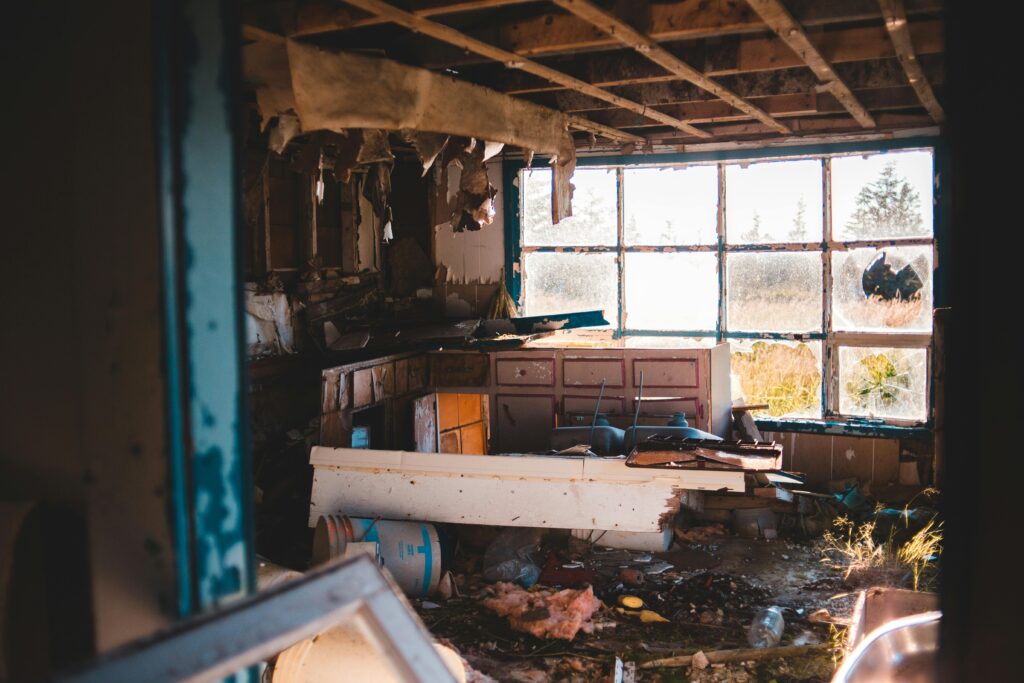
Once you’ve documented everything and contacted your insurance company, your next priority is stopping additional harm to your property. Insurers often require you to take “reasonable steps” to prevent further damage—failure to do so could affect your claim.
Start with temporary repairs. If windows are broken, board them up. If the roof is compromised, cover it with a tarp to keep out rain. These quick fixes don’t have to be perfect—they just need to stabilize the situation until professional help arrives.
Remove standing water as soon as possible. Water left untreated can lead to mold growth within 24–48 hours, creating health hazards and increasing restoration costs. If you can’t safely pump out water, call a water damage restoration service immediately.
Secure undamaged belongings. Move furniture, electronics, and sentimental items to a dry, safe area if possible. If your home is uninhabitable, consider temporary storage solutions to protect valuables from theft or further exposure.
Keep receipts for all emergency repairs and supplies. These expenses are often reimbursable under your homeowners insurance policy. Just avoid making permanent repairs until your adjuster has inspected the property—doing so could complicate your claim.
Finally, stay alert for hidden dangers. Mold, weakened structures, and electrical hazards can appear days after the disaster. If you’re unsure about safety, consult a licensed contractor or restoration specialist before proceeding.
Explore Assistance Programs
Recovering from a disaster often requires more than insurance. Fortunately, there are state, federal, and nonprofit programs designed to help homeowners get back on their feet—financially and emotionally.
FEMA Disaster Assistance
If your area has been declared a federal disaster zone, you may qualify for grants or low-interest loans through the Federal Emergency Management Agency (FEMA). These funds can cover temporary housing, essential repairs, and even replacement of personal property. Apply at https://www.disasterassistance.gov or by calling 1-800-621-FEMA.
State Recovery Programs
Many states offer Disaster Recovery Assistance Programs that provide cleanup help, housing support, and guidance on rebuilding safely. Check your state’s emergency management website for eligibility and deadlines.
Small Business Administration (SBA) Loans
Homeowners and renters can apply for SBA disaster loans, which offer low-interest financing for repairing or replacing damaged property. These loans can also help cover uninsured losses. You can read more about disaster loans on the U.S. Small Business Administration website.
Nonprofit and Community Resources
Organizations like the American Red Cross, United Way, and local faith-based groups often provide emergency shelter, food, and clothing. Don’t hesitate to reach out—these services exist to help you through the toughest times.
Tip: Apply as soon as possible. Assistance programs often have strict deadlines, and funds can run out quickly after major disasters.
Call in Professional Help for Your Belongings
Recovering from a disaster involves more than just cleaning up—it requires a coordinated effort from multiple professionals, each with a specific role in restoring your home and life. Here’s a breakdown of the key players:
Emergency Responders & Inspectors
Fire departments, utility crews, and building inspectors are often the first on scene. They assess immediate hazards and determine whether it’s safe to enter the property.
General Contractors
These professionals oversee structural repairs, including rebuilding walls, roofs, and foundations. They coordinate with other trades to restore the physical integrity of your home.
Water & Fire Damage Restoration Teams
These specialists handle the cleanup of smoke, soot, and water damage. They use industrial-grade equipment to dry out spaces, remove contaminants, and prevent mold growth.
Mold Remediation Experts
If moisture has lingered, mold can become a serious health risk. These teams identify, contain, and remove mold safely and thoroughly.
Insurance Adjusters
Assigned by your insurance company, adjusters evaluate the damage and determine what’s covered under your policy. They’re key to getting your claim processed and approved.
Content Restoration Professionals
While others focus on the structure, these specialists focus on your belongings—furniture, electronics, clothing, and other personal items.
What Are Content Restoration Professionals?
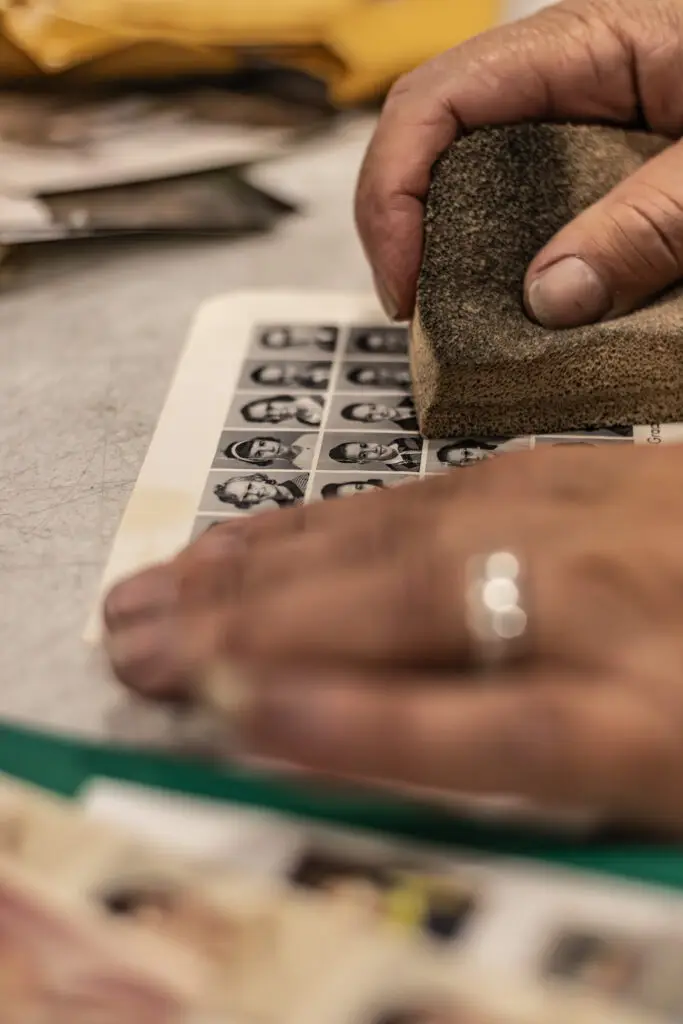
Content restoration professionals, like Content Recovery Specialists, are trained to salvage, clean, and restore the personal items inside your home that were damaged by fire, water, smoke, or mold. Their work is essential to preserving the things that make your house a home.

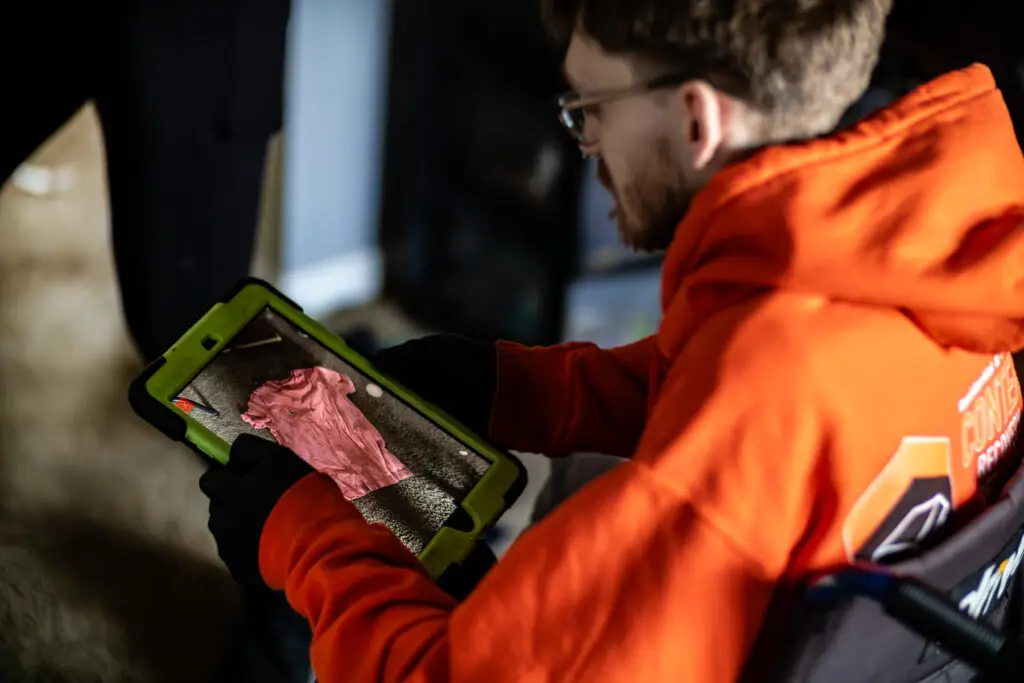

Content restoration is more than cleaning—it’s about preserving memories, minimizing loss, and helping families recover emotionally as well as physically. When disaster strikes, calling in professionals like CRS ensures your belongings are treated with the care and expertise they deserve.
Take the First Step Toward Recovery
Recovering from a disaster is never easy. It’s emotional, exhausting, and often confusing. But with the right steps (and the right support) you can begin to rebuild not just your home, but your sense of stability and peace.
From ensuring safety and documenting damage to navigating insurance and coordinating with professionals, each action you take brings you closer to recovery. And while restoring your home’s structure is essential, don’t overlook the importance of your personal belongings
That’s where Content Recovery Specialists come in. If your belongings have been damaged by fire, water, smoke, or mold, CRS can help assess, clean, and restore them with care and expertise. Whether it’s furniture, electronics, or cherished keepsakes, their team is ready to support you through the next phase of recovery.
Contact Content Recovery Specialists today for a professional assessment of your damaged contents and take the next step toward restoring what matters most. You can also find a location near you using our Store Locater.