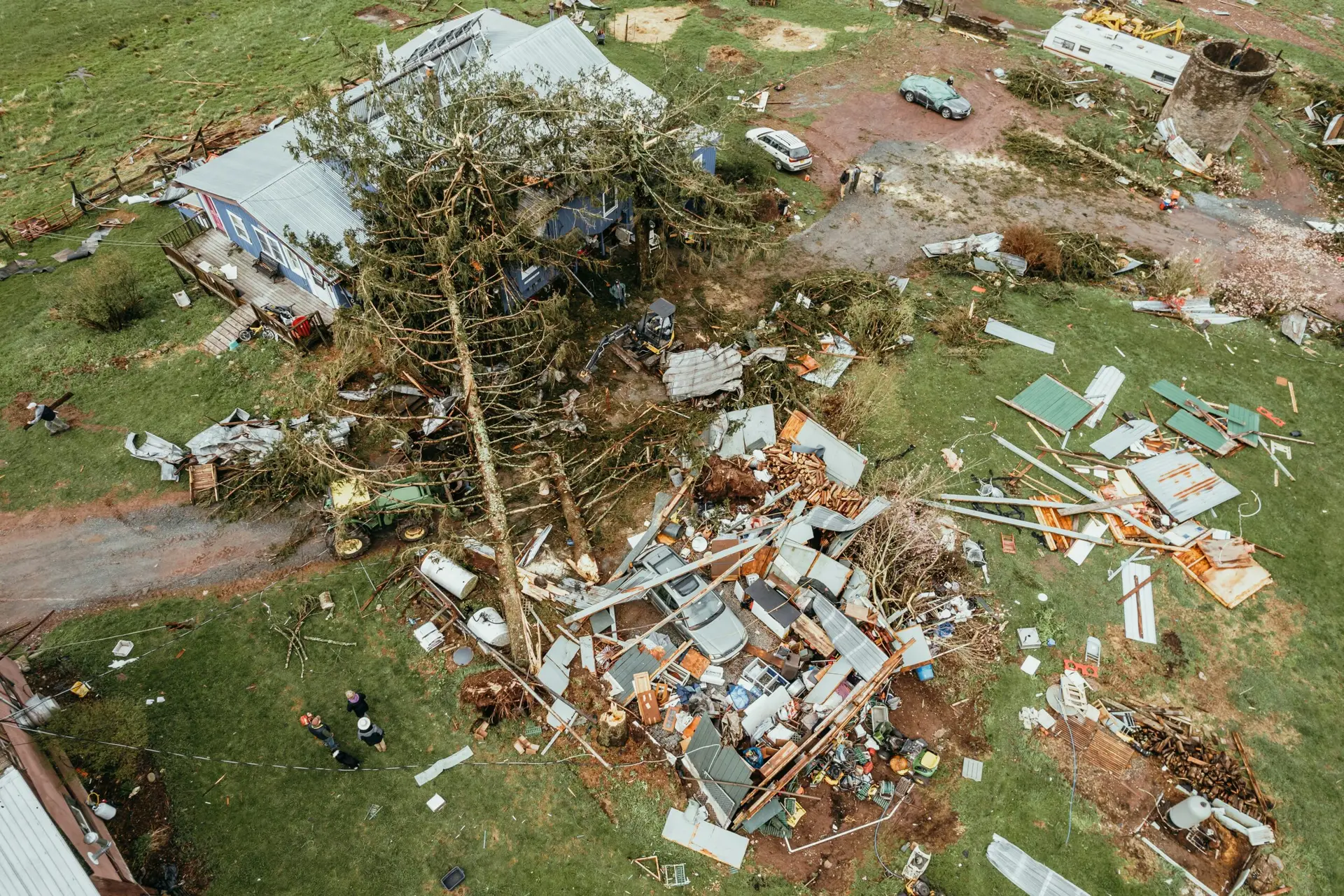
When disaster strikes, storing contents while work is being done to the affected property becomes a critical part of the recovery process. Many property owners, adjusters, and restoration contractors turn to storage containers as a quick and seemingly affordable solution. But while these containers may offer convenience, they come with significant risks that can compromise the safety, condition, and insurability of the contents.
4 Key Dangers of Using Storage Containers
Security Is Limited
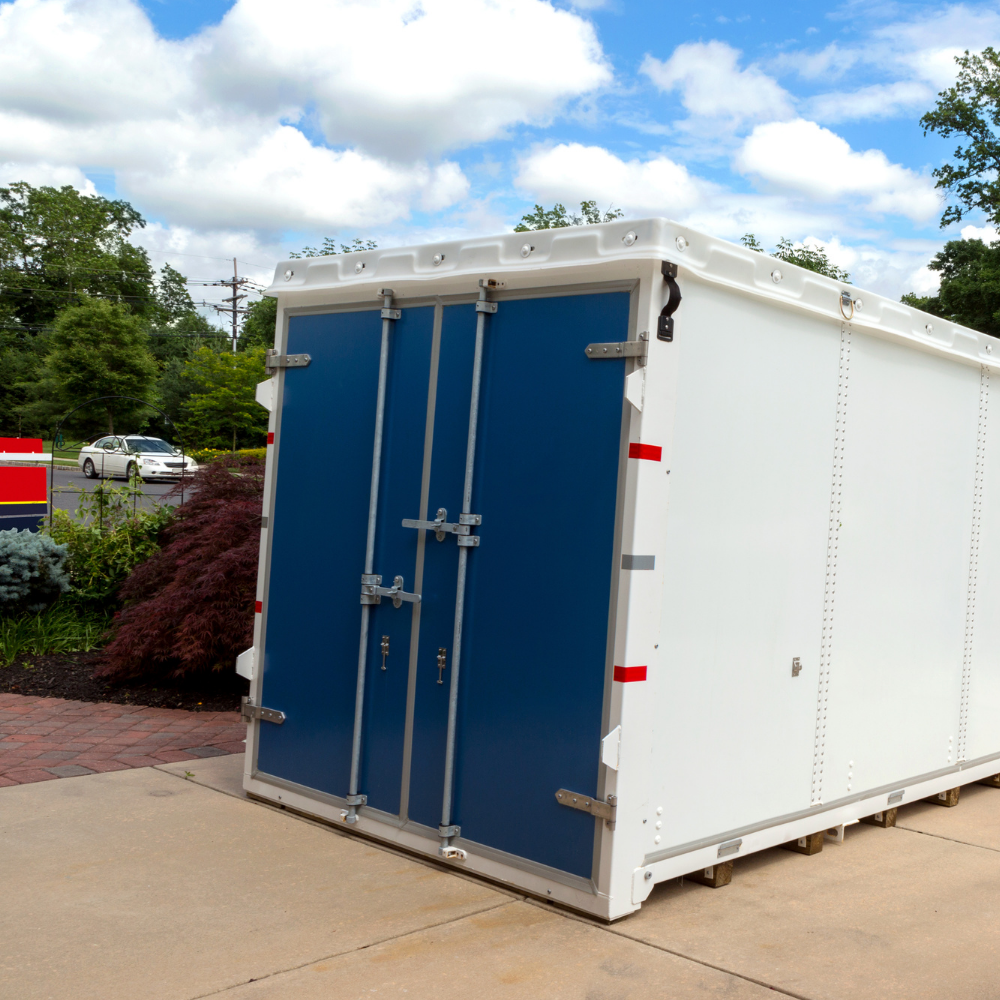
While storage containers offer a convenient solution for temporary contents storage, their security features are relatively limited. Most are secured with a basic padlock, which may be suitable for short-term use but doesn’t provide the same level of protection as a dedicated facility.
Because containers are typically placed outdoors and left unattended, there’s no way to monitor who accesses or interacts with them. This lack of controlled access and surveillance means that if something is lost, damaged, or tampered with, it can be difficult to determine what happened or who was responsible. For homeowners and restoration professionals managing valuable or sentimental items, this can present challenges in terms of accountability and peace of mind.
Moisture and Mold Risks
Moisture-related issues are an important consideration when using outdoor storage containers for contents storage. Because these portable containers are not climate-controlled, they can be affected by temperature fluctuations and humidity. For example, during cooler mornings, condensation may form inside the unit, especially on metal surfaces or fabric materials like moving blankets.
As the day warms up, that moisture can linger, creating a damp environment that may encourage microbial growth over time. Items such as upholstered furniture, photo and artwork, and textiles are particularly sensitive to these conditions. While this doesn’t guarantee damage, it does introduce a level of risk that’s worth factoring into when it comes to deciding how contents should be stored… especially for long-term storage during a restoration project.
Temperature Extremes Damage Contents

Storage containers are often used for contents storage during restoration projects that can last several months. While they offer convenience, they are not designed for long-term protection against environmental conditions. Over time, exposure to fluctuating temperatures, humidity, and seasonal weather can affect a wide range of household materials in different ways.
The average restoration job can take anywhere from three to six months, often spanning multiple seasons. This means contents stored in a container may be exposed to sharp weather changes, from freezing winter nights to hot, humid summer days, which can accelerate wear and damage.
The types of common household materials and the damage they can sustain include:
- Wood (furniture, cabinets, picture frames) – Wood is highly sensitive to moisture and temperature changes. It can expand, contract, warp, or crack depending on humidity levels and heat. Prolonged exposure may also lead to mold growth, especially on unfinished or porous surfaces.
- Leather (sofas, chairs, bags) – Leather can dry out and become brittle in cold weather, and it may crack or fade when exposed to heat and sunlight. Humidity can also cause mildew or discoloration.
- Textiles (clothing, bedding, curtains) – Fabrics absorb moisture easily, making them prone to mold and mildew in humid conditions. They can also fade or weaken when exposed to heat and UV light.
- Paper (books, documents, artwork) – Paper products are extremely vulnerable to humidity and temperature swings. They can curl, yellow, or become moldy, and ink may run or fade.
- Electronics (TVs, computers, appliances) – Electronics are sensitive to both heat and moisture. Condensation can cause corrosion on internal components, and extreme temperatures may damage batteries or screens.
- Porcelain and Ceramics (toilets, sinks, decorative items) – These materials can crack or break in freezing temperatures, especially if they contain residual moisture or are under stress from shifting contents.
- Glass (mirrors, windows, tabletops) – Glass can become brittle in cold weather and may crack if exposed to sudden temperature changes. It’s also vulnerable to scratches and breakage if not properly padded.
- Metal (tools, fixtures, appliances) – Metal surfaces can rust or corrode when exposed to moisture over time. Temperature fluctuations may also cause expansion and contraction, loosening joints or fasteners.
- Plastic (storage bins, toys, kitchenware) – Plastics can warp, become brittle, or discolor when exposed to heat or UV light. Some types may also off-gas or degrade in high humidity.
- Painted Surfaces (furniture, artwork, decor) – Paint can peel, bubble, or fade when exposed to moisture and temperature extremes. This is especially true for older or non-sealed finishes.
These risks don’t necessarily result in immediate damage, but over weeks or months of exposure, they can accumulate—especially in regions with significant seasonal variation.
Homeowner Typically Assumes Full Liability
When a storage container is used for contents storage after a disaster, the responsibility for the items inside typically shifts entirely to the homeowner. Most container providers include a waiver in their rental agreement that requires the property owner to acknowledge and accept full liability for the contents. This means that if items are stolen, damaged by weather, or affected by environmental conditions like moisture or temperature extremes, the provider is not responsible—and neither is the restoration contractor or insurance adjuster.
Without a controlled environment or professional oversight, the risk of issues increases, and unfortunately, the burden often falls on the property owner. It’s important for all parties involved to understand this liability shift and communicate it clearly to property owner before contents are stored in a container.
A Safer Alternative: Dedicated Contents Storage
While storage container may offer convenience, they aren’t designed to protect valuable household items over the course of a long restoration project. For homeowners, adjusters, and restoration contractors looking for a more secure and reliable solution, partnering with a professional contents packout and restoration company is a smart alternative.

Companies like Content Recovery Specialists specialize in handling, storing, and restoring personal property with care and accountability. Instead of leaving contents exposed to the elements or assuming liability for damage, these professionals provide a controlled environment and a structured process that prioritizes preservation and documentation.
Contents are stored in facilities designed to shield items from moisture, temperature fluctuations, and seasonal weather changes, helping to reduce the risk of environmental damage over time. These facilities are secure and monitored, offering peace of mind that items are protected and access is restricted. Trained technicians handle expert packing and inventory management, ensuring that each item is properly wrapped, labeled, and tracked throughout the restoration process. In addition, these services typically include liability coverage and insurance documentation, which can be critical when filing claims or resolving disputes.
By choosing a dedicated contents storage partner, property owners, restoration contractors and adjusters can feel confident that affected contents are being cared for professionally and returned in the best possible condition. It’s not just about storage—it’s about protecting what matters during a difficult time.